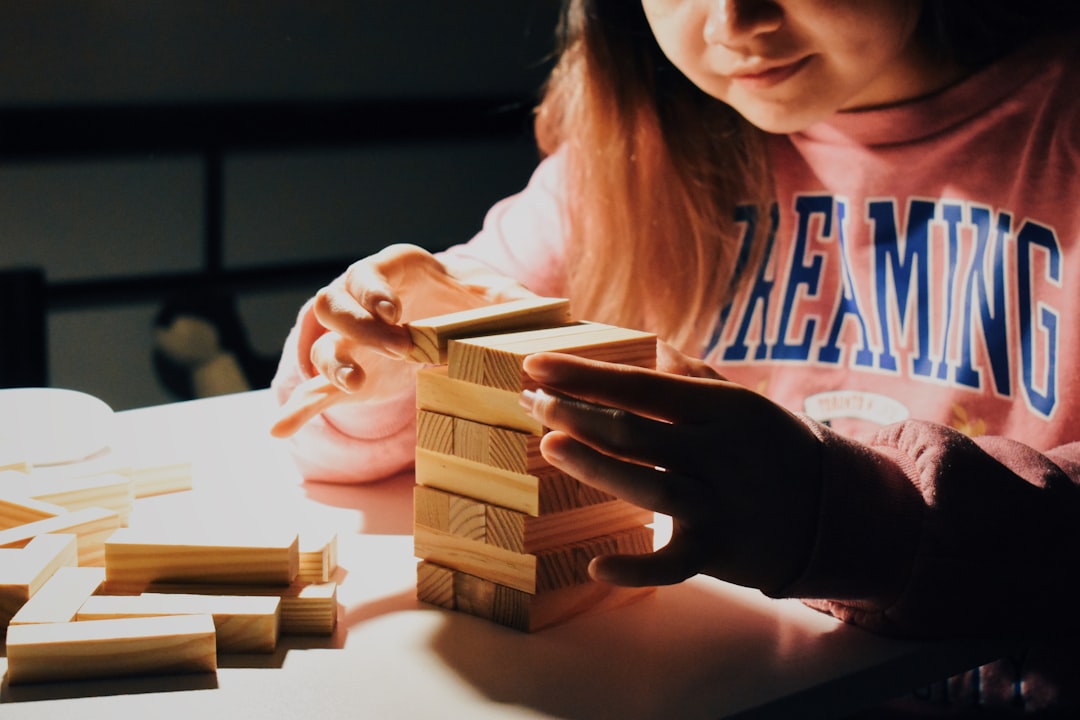
15 Proven Ice Breaker Activities That Transform Frozen Classrooms Into Engaged Learning Communities
A comprehensive guide to ice breaker activities for teachers. 15 tested warm-up games that break down barriers, energize students, and create positive classroom culture—with step-by-step instructions.
First day of school. New class. Thirty faces staring at you, silent as stones. No one talks to the person next to them. The air feels heavy with awkwardness. Sound familiar? This 'frozen' classroom state is something every teacher encounters—not just at the beginning of the year, but after holidays, before difficult content, or whenever energy drops. Ice breakers are your solution. But not all ice breakers are created equal. After nine years of testing activities with thousands of students, I've identified 15 that consistently work—activities that warm up cold classrooms, build genuine connections, and set the stage for engaged learning. Here's my complete playbook.
What Makes a Great Ice Breaker?
Before diving into specific activities, let's understand what separates effective ice breakers from awkward time-wasters:
- •Low risk: Students shouldn't feel embarrassed or exposed
- •High participation: Everyone is actively involved, not just watching
- •Appropriate energy: Matches the energy level you need for what follows
- •Clear instructions: Simple enough that students get it quickly
- •Time-efficient: 5-10 minutes maximum—it's a warm-up, not the main course
- •Genuine connection: Creates real interaction, not just motion
When to Use Ice Breakers
Strategic timing maximizes impact:
| Situation | Purpose | Best Ice Breaker Type |
|---|---|---|
| First day of school | Build initial connections | Getting-to-know-you activities |
| After holidays/breaks | Reconnect, reset | Quick energizers |
| New students joining | Help them integrate | Partner-based activities |
| Before group work | Create collaboration readiness | Team-building games |
| Energy slump (post-lunch) | Wake everyone up | Movement activities |
| Before difficult content | Reduce anxiety, create safety | Low-stakes fun activities |
Getting-To-Know-You Ice Breakers
1. Two Truths and a Wish
Twist on the classic: Instead of 'Two Truths and a Lie,' students share two true facts about themselves and one thing they WISH were true. Partners guess the wish.
- •Time: 8-10 minutes
- •Setup: Pairs
- •Why it works: Less anxiety than lying; wishes reveal personality
- •Example: 'I have a dog, I play piano, I've visited the moon.' Partners guess the wish (moon visit).
2. Find Someone Who...
Classic bingo-style mixer: Students receive a grid with characteristics ('has a pet,' 'speaks more than one language,' 'has the same favorite color as you'). They circulate, finding classmates who match each square.
- •Time: 10 minutes
- •Setup: Prepare bingo cards in advance
- •Why it works: Structured way to talk to many classmates
- •Tip: Include a mix of common and unique characteristics
3. Commonality Circle
Small groups find connections: Groups of 4-5 discuss to find three things ALL members have in common (not visible things like 'we all have hair').
- •Time: 5-7 minutes
- •Setup: Small groups
- •Why it works: Creates bonding through shared experience discovery
- •Extension: Each group shares their most surprising commonality
Quick Energy Boosters
4. Stand Up If...
Rapid-fire standing game: Teacher calls out characteristics. Students stand if it applies to them, sit when the next one is called.
- •Time: 3-5 minutes
- •Setup: None needed
- •Examples: 'Stand up if you had breakfast today.' 'Stand up if you like math.' 'Stand up if you've ever met someone famous.'
- •Why it works: Movement, quick, reveals connections without speaking
5. Would You Rather (Movement Version)
Choice-based movement: Designate two sides of the room for two choices. Students physically move to their choice, then briefly discuss with those who chose the same.
- •Time: 5-7 minutes
- •Examples: 'Would you rather fly or be invisible?' 'Would you rather always be hot or always be cold?'
- •Why it works: Movement + choice + conversation in one activity
6. Freeze Dance Math
Movement with academic twist: Students dance to music. When it stops, teacher calls out a math problem. Students freeze in a position showing the answer (using fingers, body shapes, etc.).
- •Time: 5 minutes
- •Setup: Music player
- •Why it works: Combines movement, fun, and academic activation
- •Sorokid connection: Practice mental math facts that students are learning in the app
Team-Building Activities
7. Human Knot
Physical problem-solving: Circle of 6-10 students. Everyone reaches in and grabs two different hands (not neighbors'). Without releasing hands, untangle into a circle.
- •Time: 5-10 minutes
- •Why it works: Requires communication, cooperation, physical problem-solving
- •Tip: Have multiple groups going simultaneously for larger classes
8. Marshmallow Challenge (Simplified)
Building challenge: Teams of 4 have 5 minutes to build the tallest freestanding structure using only paper and tape that can support a small object on top.
- •Time: 8-10 minutes (including debrief)
- •Materials: Paper, tape, small object
- •Why it works: Immediate collaboration, visible success/failure, fun competition
- •Math connection: Discuss height measurements, structural concepts
9. Silent Line-Up
Non-verbal organization: Students must line up in order (by birthday, alphabetically by middle name, etc.) without speaking—only gestures and non-verbal communication.
- •Time: 5 minutes
- •Why it works: Practices communication, creates fun challenge
- •Variations: By height, by distance from school, by birth month
Brain Warm-Up Activities
10. Yes-No-Maybe
Statement response: Teacher reads statements. Students respond with thumbs up (yes/agree), thumbs down (no/disagree), or thumbs sideways (maybe/unsure).
- •Time: 3-5 minutes
- •Examples: 'Math is useful in real life.' 'I prefer working alone to working in groups.'
- •Why it works: Low risk, gets students thinking and taking positions
- •Academic use: Review statements about content from previous lessons
11. Quick-Fire Categories
Category naming game: Teacher names a category. Going around the room, each student names something in that category. No repeats, 3-second limit.
- •Time: 3-5 minutes
- •Examples: 'Things that are round.' 'Math vocabulary words.' 'Animals that live in water.'
- •Why it works: Quick thinking, listening to avoid repeats, activates prior knowledge
12. Number Talk Warm-Up
Mental math discussion: Display a calculation. Students solve mentally, then share different strategies they used. No 'right way'—just exploring thinking.
- •Time: 5-7 minutes
- •Example: Show '18 + 27'. Students might say: 'I did 18+20+7' or 'I did 20+27-2'
- •Why it works: Activates math thinking, validates different approaches, builds number sense
Partner-Based Activities
13. Interview Introductions
Partner interview: Students pair up, interview each other with provided questions (3-4 questions), then introduce their partner to another pair or the class.
- •Time: 8-10 minutes
- •Why it works: Listening practice, speaking about others (less pressure than speaking about self)
- •Good questions: 'What's something you're looking forward to?' 'What's a hidden talent you have?'
14. Think-Pair-Share Icebreaker
Academic structure, personal content: Pose a question ('What's the best thing that happened this weekend?'). Students think individually, share with a partner, then selected pairs share with the class.
- •Time: 5-7 minutes
- •Why it works: Familiar structure, safe progression from individual to partner to class
- •Tip: Use this structure consistently—students become comfortable with it
15. Appreciation Circle
Positive recognition: In a circle, each student shares something they appreciate about the person to their right—could be general or specific to recent class events.
- •Time: 5-10 minutes depending on class size
- •Best for: Classes that already have some relationship (not first day)
- •Why it works: Builds positive culture, practices gratitude
- •Variation: Appreciation for something in the classroom or something they're learning
Tips for Ice Breaker Success
- •Participate yourself: Join in when appropriate—it models engagement
- •Read the room: If an activity isn't working, gracefully transition out
- •Have backup options: Not every activity works with every group
- •Keep it brief: Ice breakers should energize, not exhaust
- •Debrief occasionally: Ask 'What did you notice?' or 'How did that feel?'
- •Vary activities: Don't overuse favorites—variety maintains novelty
- •Consider introverts: Balance high-energy activities with lower-key options
Remember: The best ice breaker is one that serves your specific classroom's needs at that moment. Build a repertoire and choose strategically based on what you observe.
Looking for more ways to engage students? Sorokid combines learning with fun through gamified mental math challenges that students actually enjoy.
Discover Sorokid