Random Name Picker: The Fair Way to Call on Students (And Why It Changed My Classroom)
I used to call on the same students over and over. A random name picker transformed my classroom participation—here's how to implement fair, equitable student selection that keeps everyone engaged.
I was the teacher who always called on the same kids. The eager hand-raisers. The students in the front rows. The ones who made eye contact. Then one day, a quiet girl in the back said something that haunted me: 'Mr. Parker, you've never called on me.' She was right. In three months, I'd never once asked her a question. That moment changed everything about how I run classroom participation.
The Problem With Traditional Calling Methods
When I analyzed my own patterns, the bias was undeniable:
Unconscious Favoritism
- •Hand-raisers dominated: 5-6 students answered 70% of questions
- •Location bias: Students in the center and front rows got called 3x more
- •Personality bias: Outgoing students got more opportunities than quiet ones
- •Comfort bias: I avoided students who might give wrong answers (to 'protect' them)
- •Memory bias: Some students became 'invisible' to my mental register
The Consequences
- •Quiet students stopped preparing (they knew they wouldn't be called)
- •The same students developed confidence while others developed anxiety
- •My classroom data was skewed—I only knew what 6 students understood
- •Students felt the unfairness, even if they couldn't articulate it
- •Some students never practiced speaking in class all semester
Research shows teachers call on boys 10% more than girls and students in the center-front 'action zone' significantly more than others. Without intentional systems, bias is inevitable.
Enter the Random Name Picker
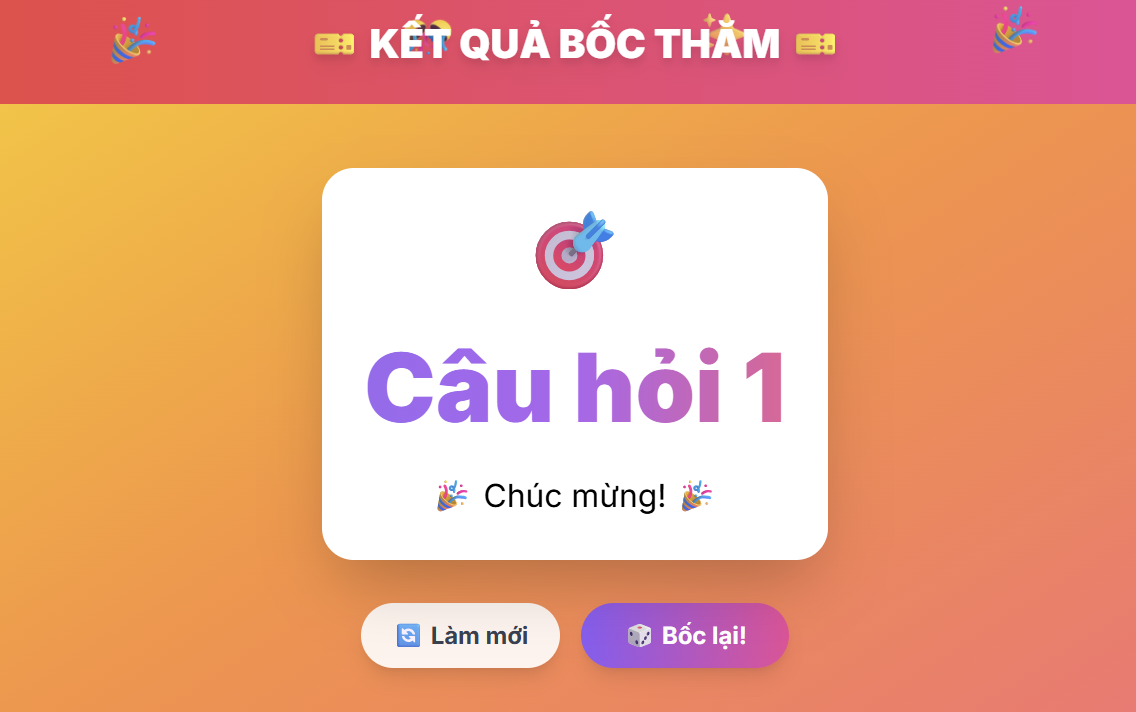
A random name picker is simply a tool that selects student names without bias—digital or physical. The concept is old (teachers used popsicle sticks for decades), but modern digital tools add engagement and efficiency.
Types of Random Selection Tools
- •Spinning wheel apps: Visual, exciting, students love watching the spin
- •Random name generators: Click a button, get a name instantly
- •Card/stick systems: Physical cards or popsicle sticks drawn from a container
- •Numbered desks: Roll dice, corresponding seat number answers
- •Digital classroom tools: Built into platforms like Sorokid, ClassDojo, etc.
How Random Selection Transformed My Classroom
Week 1-2: Initial Reactions
The first time I projected the name wheel, students were fascinated. When it landed on Marcus—a quiet back-row student who rarely participated—the class went silent. He looked nervous. But he answered. And he got it right. His eyes lit up.
The hand-raisers complained initially. 'That's not fair! I know the answer!' I explained: 'It IS fair—now everyone gets equal chances.' They adjusted.
Week 3-4: Behavior Shifts
- •Students started paying closer attention (anyone could be called)
- •Quiet students began preparing mentally for questions
- •The 'invisible' students became visible
- •Overall engagement increased across the room
- •I discovered knowledge gaps I never knew existed
Month 2+: Cultural Change
Students stopped assuming they wouldn't be called. Preparation improved because there was no hiding. Several 'quiet' students turned out to be quite capable—they'd just never had the opportunity. The classroom felt more democratic.
Implementation: How to Do It Right
Set Up Your Tool
- •Enter all student names into your chosen tool
- •Test it before class to ensure it works
- •Make the display visible to all students (projector recommended)
- •For physical systems, ensure names are shuffled each use
Establish Clear Expectations
Explain to students:
- •Everyone will be called equally over time
- •'I don't know' is an acceptable answer (with follow-up support)
- •This isn't punishment—it's opportunity
- •Wrong answers are learning opportunities, not failures
Have a Support System
Random calling works best with safety nets:
- •Think time: Give 5-10 seconds before expecting an answer
- •Peer support: Allow 'phone a friend' occasionally
- •Partial credit: Acknowledge partially correct answers
- •Follow-up questions: Help students reach the answer through scaffolding
- •No public shaming: Handle completely stuck students gracefully
Addressing Common Concerns
'What about anxious students?'
Anxiety about being called on is real. But here's what I found: the anxiety of 'might be called unpredictably' is often LESS than the anxiety of 'never get to practice speaking.' When anxious students know they WILL be called—just like everyone else—they prepare. And successful experiences reduce anxiety over time.
'Doesn't this punish eager learners?'
No. Eager learners still get called—they just don't monopolize. You can also create other outlets: written responses, discussion partners, voluntary share-outs after random selections.
'What if someone genuinely doesn't know?'
This is valuable information! Now you know this student needs support. Options: scaffold with hints, allow peer help, note for follow-up, or acknowledge the gap and move on without shame. The goal is data and engagement, not embarrassment.
Digital Tools I Recommend
After trying many options:
- •Sorokid's random selector: Built-in spinner, visually engaging, designed for classrooms
- •Wheel of Names: Free, customizable, works on any browser
- •ClassDojo random picker: Integrates with existing ClassDojo classes
- •Google Slides add-ons: Various options that work within presentations
- •Physical backup: Always have popsicle sticks ready if tech fails
Best Practices I've Learned
- •Use it consistently: Random selection should be the default, not occasional
- •Don't override constantly: Trust the randomness; resist picking favorites
- •Combine with other strategies: Sometimes volunteers, sometimes random
- •Track participation: Some tools track who's been called; use this data
- •Celebrate all answers: Create a culture where any response is valuable
- •Make it fun: The spinning wheel adds excitement—lean into that
The Bigger Picture: Equity in Participation
Random name picking isn't just a classroom management hack—it's an equity tool. Every student deserves equal opportunity to participate, practice speaking, and demonstrate knowledge. Without intentional systems, we unconsciously create hierarchies where some students get more opportunities to learn and grow.
That quiet girl in the back row? She became one of my most thoughtful contributors once she had regular opportunities. She was never lacking—she was just overlooked. The random picker made sure that could never happen again.
Fair participation isn't about taking away from eager students—it's about making sure every child has the chance to engage, practice, and grow. Random selection is the simplest tool to guarantee that.
Create fair, engaging classroom participation with free tools. Sorokid offers random name spinners, timers, and student selectors designed specifically for teachers. Make every student visible.
Explore Free Tools